Studio
One perspective guides the work from conversation to launch.
Randem Studio brings content, interface, and technology into a single process. Each layer is created with the others in mind, so form stays aligned with function and early decisions remain meaningful through launch.
It is a personal, focused way of working built on direct contact, full knowledge of the context, and responsibility that never changes hands.
Responsibility
The project doesn’t change hands along the way.
I lead the entire process personally, from the initial discussions to launch. I know why earlier choices were made and how they affect the stages that follow. You never have to explain the context again to someone responsible for another part of the work.
This model requires attention and consistency, but it keeps content, visuals, and behavior aligned around the same purpose. Responsibility for the outcome stays in one place, even when difficult choices arise or an earlier assumption needs to change.
One structure
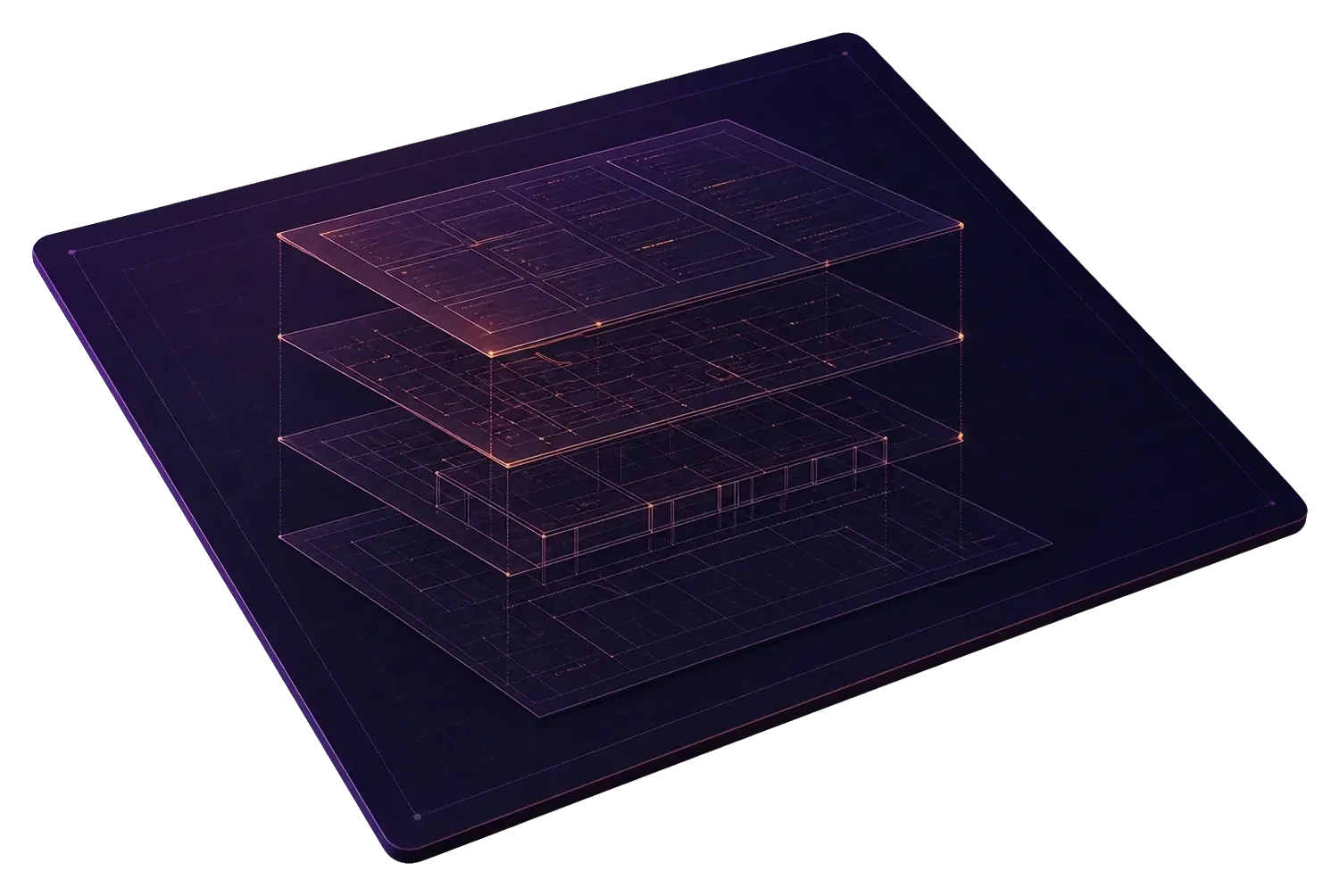
Each layer only makes sense as part of the whole.
People do not separate content, design, and technology. They experience one product that either helps them move forward or gets in the way. Each area therefore answers its own questions, but none is designed in isolation.
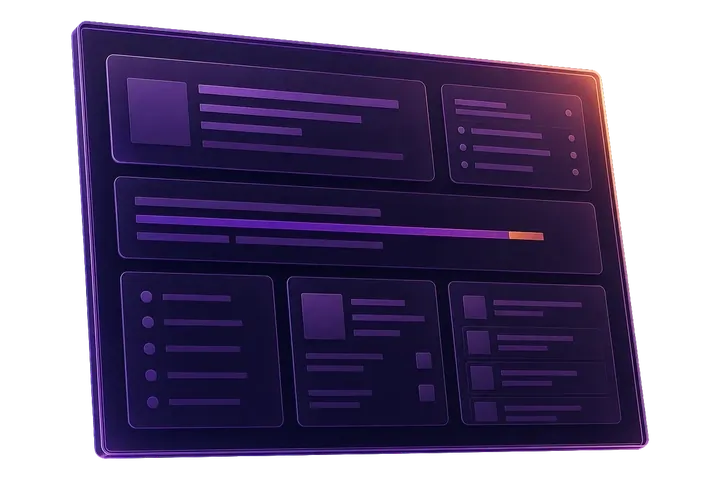
Content creates meaning
It defines what people should understand, in what order, and at what level of detail.
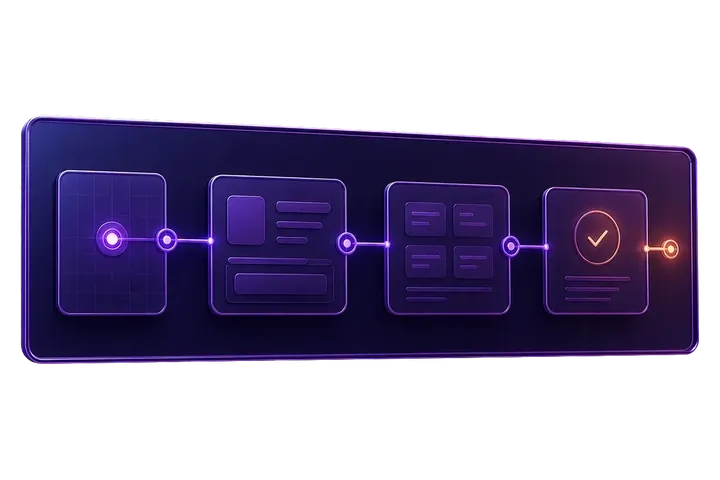
The interface guides action
It organizes choices, reveals relationships, and reduces the need to guess what comes next.
Form creates character
It brings out the tone and proportions that suit the organization instead of imposing someone else’s framework.
Technology supports the whole
It provides speed, stability, and room for further change without rebuilding from scratch.
Contact
A shorter path helps preserve meaning.
The conversation isn’t handed off as a condensed note. Each question can be considered in the context of the goal, scope, and earlier decisions, while the answer can account for the impact on the rest of the project. Less energy is lost explaining context, leaving more room for the right decision.
Distinctive form
A distinctive form does not mean abandoning proven principles.
Individual character does not require reinventing every interaction. People should recognize navigation, forms, and interface behavior without additional explanation.
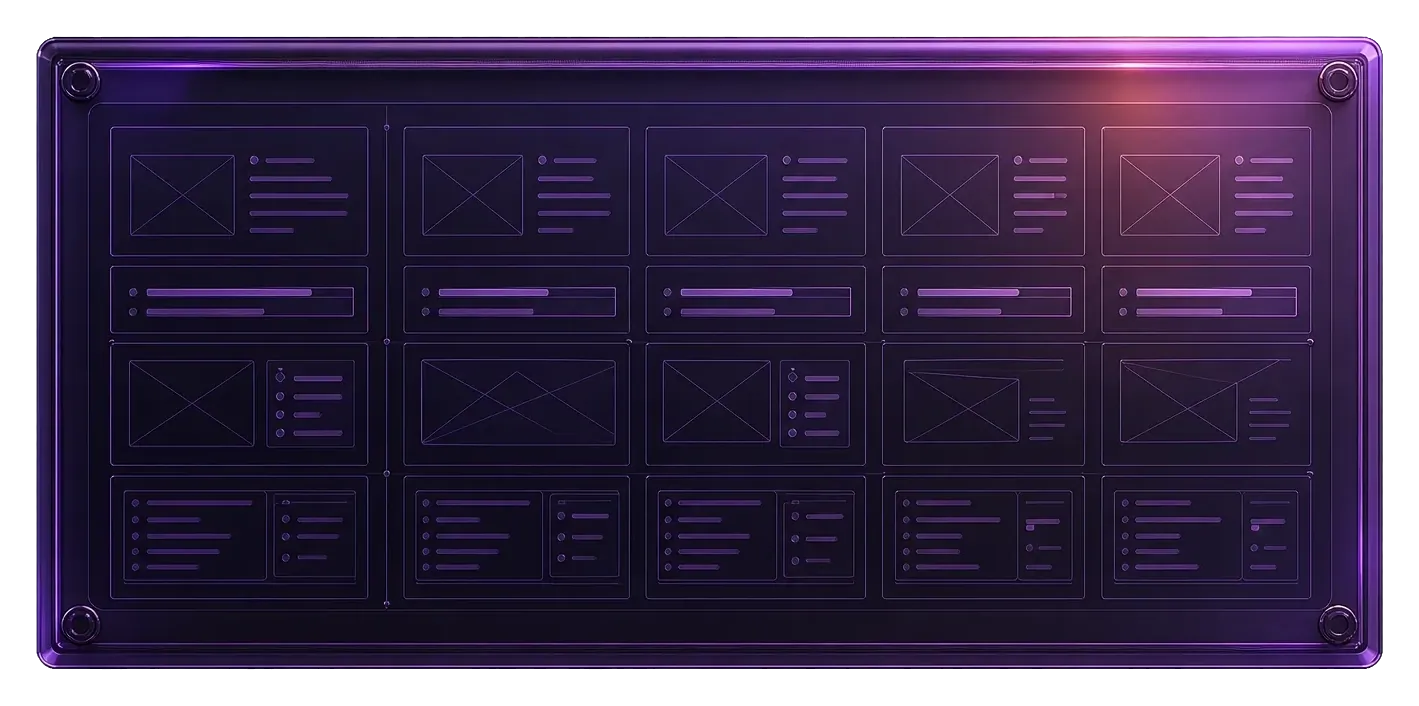
Ready-made template
It imposes character, order, and proportions before the content and goal are understood.
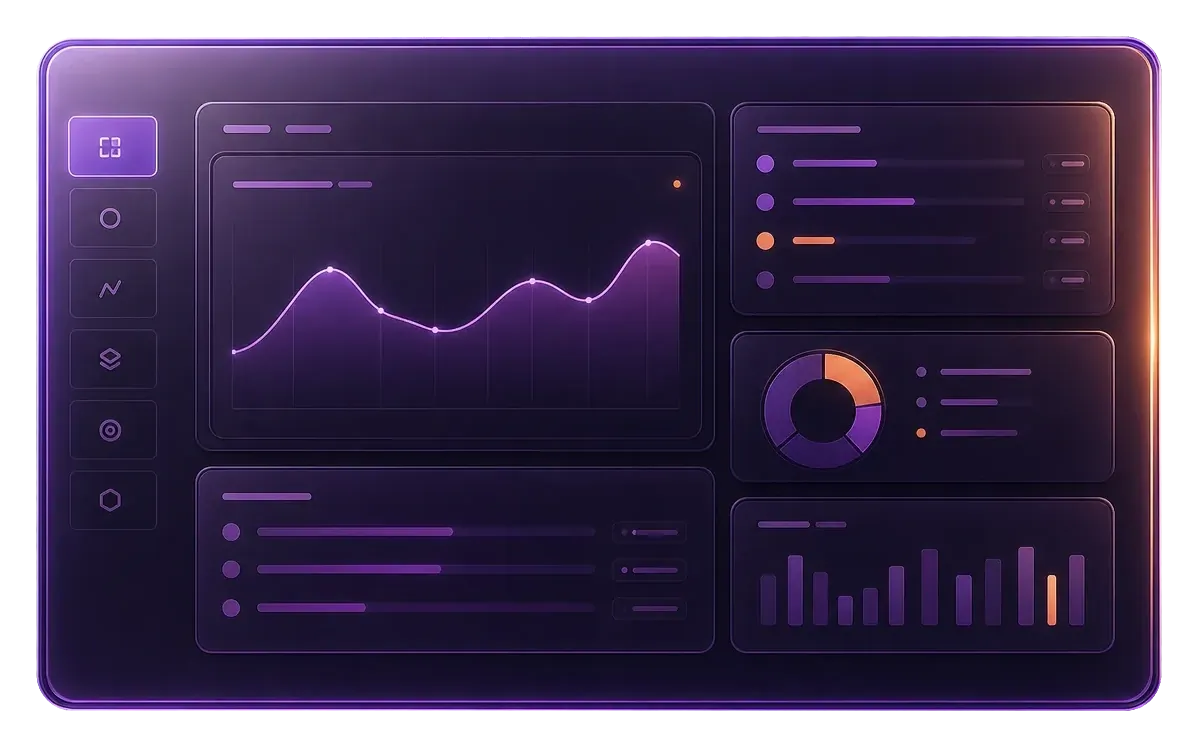
Established pattern
It makes a familiar task easier while leaving room for an individual rhythm, language, and presentation.
Technical foundation
Tools are chosen once the needs are clear.
People do not need to know the names of libraries or how the code is organized. They should feel the results of sound decisions: fast response times, predictable behavior, and the ability to use the product without technical knowledge.
- Scale
- A simple website needs a different foundation than a tool serving many roles and processes.
- Usage
- Usage frequency, devices, and access conditions shape technical priorities.
- Future plans
- The structure accounts for realistic stages of future development without complicating the first version with hypothetical needs.
- Maintenance
- The solution should be easy to update and diagnose without relying on ad hoc exceptions.
Firsthand experience
Responsibility becomes clearest after launch.
Applications developed within Randem provide a view of the complete product lifecycle: from the initial concept through everyday use to future versions. It is a different perspective from simply handing over a finished project.


Direct
Let’s talk directly about what your project needs.
From the first discussions onward, you speak with the person responsible for the decisions and delivery that follow.
Let’s talk about your project